

Table of Contents
- Why Sustainable Fat Loss for Women Works Differently
- Building a Sustainable Calorie Deficit for Women
- Strength Training for Women and Fat Loss
- Protein Intake for Female Fat Loss: How Much You Actually Need
- Breaking Through Fat Loss Plateaus in Women
- Sleep, Stress, and the Hormones Blocking Your Fat Loss
- Post-Weight Loss Maintenance: Keeping Sustainable Fat Loss Results
- Frequently Asked Questions
Why Sustainable Fat Loss for Women Works Differently
Sustainable fat loss for women is not simply a scaled-down version of generic diet advice. The programs that produce lasting results are the ones built around female physiology, not borrowed from a male-centric fitness playbook.
The core difference comes down to hormones, body composition, and the psychological weight most women carry around food. Ignore those three factors, and you’re fighting your own biology. Address them directly, and sustainable fat loss becomes a realistic, measurable outcome rather than a cycle of short-term results followed by frustration.
Below, we’ll cover exactly how to build that kind of approach, from calorie strategy and strength training to sleep, stress, and what happens after the weight comes off.
Hormonal Fluctuations and Body Composition
Female hormones, particularly estrogen and progesterone, directly influence where the body stores fat, how readily it burns it, and how hungry you feel at any given point in the month. Estrogen supports insulin sensitivity and tends to favor fat storage in the hips and thighs. As estrogen declines, particularly in perimenopause and menopause, fat redistribution toward the abdomen becomes more common, and metabolic rate can slow noticeably.
Progesterone rises in the luteal phase of the menstrual cycle, which can increase appetite and reduce energy. This is not a willpower failure. It is a hormonal signal. Women who understand this pattern can adjust their training intensity and nutrition approach across the cycle rather than treating every week identically and wondering why results feel inconsistent.
Hunger hormones, specifically ghrelin and leptin, are also more responsive to caloric restriction in women than in men. Aggressive cutting tends to spike ghrelin and suppress leptin faster, which is one reason very low-calorie diets backfire more quickly for women. A moderate, sustainable calorie deficit protects against this hormonal disruption far better than extreme restriction.
Your Psychological Relationship With Food
The biggest obstacle to sustainable fat loss for many women is not nutritional knowledge. It is the emotional and behavioral patterns built up over years of diet culture messaging.
Restriction triggers craving. Labeling foods as “bad” creates guilt, and guilt accelerates overeating. This cycle is well-documented in behavioral nutrition research, and breaking it requires a fundamentally different mental model: food as fuel and information, not reward or punishment.
A common mistake is treating fat loss as a finite project with an end date. The women who maintain their results long-term are the ones who stopped dieting and started building sustainable habits. That distinction matters more than any specific meal plan.
Track how you feel after meals rather than just what you ate. Energy levels, hunger patterns, and mood are powerful feedback signals that a calorie app alone cannot capture.
Building a Sustainable Calorie Deficit for Women
A sustainable calorie deficit is the foundation of fat loss, but the size and structure of that deficit matters enormously. The goal is to create enough of an energy gap to drive fat loss without triggering the metabolic adaptation and hormonal disruption that derail progress.
A caloric deficit means consistently consuming fewer calories than your body expends over time. For most women, a moderate deficit, roughly 300 to 500 calories below total daily energy expenditure, produces steady fat loss without the muscle loss and metabolic slowdown that come with aggressive restriction. Gradual weight loss, generally 0.5 to 1 pound per week, tends to preserve lean mass and keep hunger hormones more stable than rapid approaches.
According to the National Institutes of Health’s guidelines on weight management, gradual, steady weight loss is more likely to be maintained long-term than rapid weight loss.
Caloric Balance Without Obsessive Tracking
Obsessive calorie tracking works for some people and backfires badly for others, particularly those with a history of disordered eating. There are practical alternatives that support caloric balance without requiring a food scale at every meal.
Portion control using visual cues, a palm-sized serving of protein, a fist of vegetables, a cupped hand of carbohydrates, gives most women a workable framework without the anxiety of precise measurement. Eating slowly and stopping at 80 percent fullness leverages natural satiety signals. Prioritizing nutrient density, foods that deliver vitamins, fiber, and protein per calorie, means you naturally crowd out the lower-quality choices without tracking them.
The most effective approach is the one you can maintain consistently for months, not the one that produces the fastest initial result.
| Strategy | Best For | Sustainability |
|---|---|---|
| Calorie tracking app | Data-driven personalities | Moderate, can become obsessive |
| Portion control by feel | Women with diet fatigue | High, low friction |
| Plate method | Beginners | High, simple and visual |
| Intuitive eating framework | Post-restriction recovery | High, builds long-term trust with food |
Strength Training for Women and Fat Loss
Strength training is the most underutilized tool in sustainable fat loss for women, and the most misunderstood. The fear of “bulking up” keeps too many women on the treadmill when the evidence consistently points to resistance training as the superior long-term strategy for changing body composition.
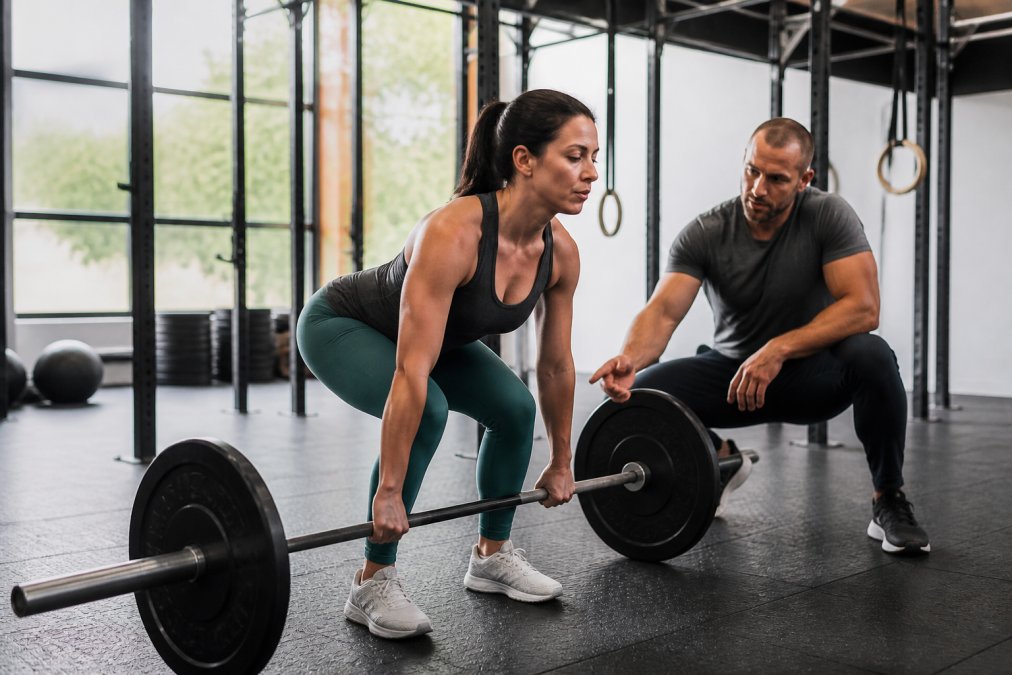
Muscle tissue is metabolically active. More muscle means a higher resting metabolic rate, which means you burn more calories even at rest. Muscle hypertrophy, the process of building muscle tissue, also improves insulin sensitivity, which directly supports fat loss by helping the body use carbohydrates more efficiently rather than storing them as fat.
Women do not have the testosterone levels required to build bulky muscle without years of very specific, high-volume training and caloric surplus. What strength training does produce is a leaner, more defined body composition, better energy expenditure, and a metabolism that adapts more favorably over time.
Strength vs. Cardio: What Actually Burns More Fat Long-Term
Cardiovascular exercise burns calories during the session. Strength training burns fewer calories in the session but raises your resting metabolic rate for hours afterward and, over months, changes your body composition in a way that makes fat loss progressively easier.
The most effective approach for sustainable fat loss combines both. Cardiovascular health is essential, and cardio supports heart function, mood, and energy. But if you are choosing between the two because of limited time, two to three strength sessions per week will produce more lasting change to your body composition than the same time spent on cardio alone.
A practical split for most women: three strength sessions per week targeting major muscle groups, plus one to two moderate cardio sessions for cardiovascular health and active recovery. That structure supports both fat loss and long-term metabolic health without overtraining.
Strength training changes your body composition in ways cardio cannot replicate. Building muscle raises your metabolic rate, improves insulin sensitivity, and makes sustainable fat loss progressively easier over time.
Protein Intake for Female Fat Loss: How Much You Actually Need
Protein intake for female fat loss is consistently under-prioritized, and it is one of the most impactful levers available. Protein supports muscle preservation during a calorie deficit, drives protein synthesis, and produces a strong satiety effect that naturally reduces overall calorie intake.
The general guidance from the Academy of Nutrition and Dietetics on protein for active women suggests that women engaged in regular resistance training benefit from higher protein intake than the standard dietary reference intake, with many practitioners recommending 0.7 to 1 gram per pound of body weight per day as a working target for those focused on body composition.
What most guides miss here is the distribution question. Spreading protein across three to four meals produces better muscle protein synthesis outcomes than concentrating it in one or two large meals. A practical target is 25 to 40 grams of protein per meal, prioritizing sources with complete amino acid profiles: eggs, poultry, fish, Greek yogurt, cottage cheese, and legumes paired with grains.
Women who increase protein intake during a calorie deficit consistently report less hunger, better energy during training, and better preservation of lean muscle mass, all of which directly support sustainable fat loss rather than simply weight loss.
Breaking Through Fat Loss Plateaus in Women
Fat loss plateaus are not a sign that something is broken. They are a predictable biological response to sustained caloric restriction, and understanding the mechanism makes them far less discouraging.
Most women hit a plateau four to eight weeks into a consistent program. The body has adjusted its energy expenditure downward in response to the deficit, a process called metabolic adaptation. Non-exercise activity, the small movements throughout the day, also tends to decrease unconsciously as the body conserves energy.
Metabolic Adaptation and How to Reset It
Metabolic adaptation is the body’s physiological response to sustained caloric restriction, in which energy expenditure decreases to match reduced calorie intake. It is the primary reason fat loss stalls despite consistent effort, and it affects women more significantly than men due to the hormonal factors discussed earlier.
The most effective reset strategy is a planned diet break: returning to maintenance calories for one to two weeks. This is not failure. It is a deliberate tool that allows hunger hormones to normalize, leptin levels to recover, and training performance to improve. Many women find they lose fat more consistently over a three-month period that includes a two-week maintenance break than over three months of uninterrupted restriction.
Other effective plateau-breaking strategies:
- Increase training volume or intensity to raise energy expenditure
- Audit protein intake, as it often drifts down over time
- Reassess sleep quality, since poor sleep directly raises cortisol and impairs fat mobilization
- Check for gradual calorie creep in portion sizes
Cutting calories further when you hit a plateau often makes metabolic adaptation worse. The counterintuitive move is to eat at maintenance for a period before resuming a deficit. Ignoring this can lead to progressively slower metabolism and harder-to-break plateaus.
Sleep, Stress, and the Hormones Blocking Your Fat Loss
Sleep hygiene and stress management are not soft add-ons to a fat loss program. They are core physiological requirements, and neglecting them will undermine every other effort.

Poor sleep elevates cortisol levels. Elevated cortisol promotes fat storage, particularly visceral fat around the abdomen, and suppresses the hormones that signal fullness. Research summarized by the Centers for Disease Control and Prevention on sleep and chronic disease consistently links insufficient sleep to increased appetite, reduced metabolic function, and greater difficulty with weight management.
Chronic stress compounds this effect. When cortisol remains elevated over weeks and months, the body prioritizes energy storage as a survival mechanism. Stress management is therefore not a luxury for women pursuing sustainable fat loss. It is a physiological necessity.
Practical sleep hygiene improvements that directly support fat loss:
- Target seven to nine hours of sleep per night
- Keep a consistent sleep and wake schedule, including weekends
- Reduce screen exposure in the hour before bed
- Keep the bedroom cool and dark
- Limit caffeine after 2 p.m.
For stress, the most effective interventions are those that lower cortisol measurably: regular moderate exercise, breath-focused practices, time in nature, and structured recovery days. Behavioral change in this area tends to produce compounding returns, as lower cortisol improves sleep, which further reduces cortisol.
Post-Weight Loss Maintenance: Keeping Sustainable Fat Loss Results
Post-weight loss maintenance is where most programs fail their participants, and it is the area most guides skip entirely. Reaching a goal weight is one challenge. Staying there requires a different strategy.
The biological reality is that after significant fat loss, the body operates with a lower metabolic rate than someone of the same weight who never lost fat. Hunger hormones remain elevated for months after weight loss ends. This is not a character flaw. It is physiology, and it requires a deliberate maintenance approach.
Sustainable habits built during the fat loss phase are the strongest predictor of long-term maintenance. Women who maintained structured strength training sessions, consistent protein intake, and adequate sleep during their fat loss phase consistently show better maintenance outcomes than those who relied on restrictive diets they could not sustain.
Lifestyle modification at the maintenance stage means:
- Gradually increasing calorie intake back to a true maintenance level, not reverting to pre-diet eating patterns
- Continuing strength training to preserve muscle mass and metabolic rate
- Monitoring weight trends weekly rather than daily to catch gradual regain early
- Building a psychological framework that separates body weight from self-worth
A final practical note on maintenance: weight will fluctuate. Hormonal cycles, hydration, stress, and sleep all move the scale by two to four pounds in either direction. Responding to normal fluctuation with restriction restarts the diet cycle. Tracking trends over four to six week windows gives a far more accurate picture of actual body composition change.
=== FAQ ANSWERS (audit these too, same rules) ===
[1] Q: What is the most sustainable way to lose body fat as a woman?
A: The most sustainable approach combines a modest caloric deficit, adequate protein intake, progressive strength training, and consistent sleep. Crash diets and extreme cardio produce fast results that rarely last because they trigger metabolic adaptation and disrupt hunger hormones like ghrelin and leptin. Gradual weight loss of roughly 0.5 to 1 pound per week preserves muscle mass, supports hormonal regulation, and builds the behavioral habits that make results permanent rather than temporary.
[2] Q: How do hormonal changes affect fat loss for women?
A: Estrogen and progesterone fluctuations across the menstrual cycle, perimenopause, and menopause directly influence metabolic rate, appetite, water retention, and where the body stores fat. Lower estrogen levels are associated with increased cortisol sensitivity and reduced insulin sensitivity, both of which make fat loss harder. Strength training, adequate sleep, and stress management all support hormonal balance, making them non-negotiable parts of a sustainable fat loss plan for women.
[3] Q: What role does strength training play in sustainable fat loss for women?
A: Strength training builds lean muscle, which raises your resting metabolic rate so you burn more calories throughout the day, not just during workouts. It also improves insulin sensitivity, supports bone density, and helps preserve muscle during a caloric deficit. Women who include two to four strength sessions per week alongside moderate cardio consistently see better body composition results and fewer fat loss plateaus than those who rely on cardio alone.
[4] Q: Is losing 20 pounds in 3 months sustainable?
A: Losing 20 pounds in 3 months works out to roughly 1.7 pounds per week, which exceeds the commonly recommended gradual rate of 0.5 to 1 pound per week for most women. At that pace, a significant portion of the loss is likely water weight and muscle rather than pure fat. A more sustainable target is 12 to 16 pounds over 3 months. Faster timelines are possible with medical supervision, but they carry a higher risk of metabolic adaptation and weight regain.
[5] Q: How can women over 40 lose belly fat more effectively?
A: After 40, declining estrogen shifts fat storage toward the abdomen and slows metabolic rate. The most effective response is progressive strength training to counter muscle loss, a protein-rich diet to support muscle hypertrophy and satiety, and prioritizing sleep to manage cortisol levels. Reducing refined carbohydrates and added sugars helps stabilize insulin sensitivity. Spot reduction is not possible, but these combined strategies consistently reduce overall body fat percentage, including abdominal fat.
[6] Q: What are the signs that a fat loss plan is actually sustainable?
A: A sustainable fat loss plan leaves you with enough energy to train and function daily, does not eliminate entire food groups, produces slow and steady scale changes, and includes foods you genuinely enjoy. You should be sleeping well, managing hunger without constant restriction, and seeing gradual improvements in strength and endurance. If you are exhausted, losing strength, or dreading every meal, the plan is too aggressive and will likely lead to a plateau or rebound.
Frequently Asked Questions
What is the most sustainable way to lose body fat as a woman?
The most sustainable approach combines a modest caloric deficit, adequate protein intake, progressive strength training, and consistent sleep. Crash diets and extreme cardio produce fast results that rarely last because they trigger metabolic adaptation and disrupt hunger hormones like ghrelin and leptin. Gradual weight loss of roughly 0.5 to 1 pound per week preserves muscle mass, supports hormonal regulation, and builds the behavioral habits that make results permanent rather than temporary.
How do hormonal changes affect fat loss for women?
Estrogen and progesterone fluctuations across the menstrual cycle, perimenopause, and menopause directly influence metabolic rate, appetite, water retention, and where the body stores fat. Lower estrogen levels are associated with increased cortisol sensitivity and reduced insulin sensitivity, both of which make fat loss harder. Strength training, adequate sleep, and stress management all support hormonal balance, making them non-negotiable parts of a sustainable fat loss plan for women.
What role does strength training play in sustainable fat loss for women?
Strength training builds lean muscle, which raises your resting metabolic rate so you burn more calories throughout the day, not just during workouts. It also improves insulin sensitivity, supports bone density, and helps preserve muscle during a caloric deficit. Women who include two to four strength sessions per week alongside moderate cardio consistently see better body composition results and fewer fat loss plateaus than those who rely on cardio alone.
Is losing 20 pounds in 3 months sustainable?
Losing 20 pounds in 3 months works out to roughly 1.7 pounds per week, which exceeds the commonly recommended gradual rate of 0.5 to 1 pound per week for most women. At that pace, a significant portion of the loss is likely water weight and muscle rather than pure fat. A more sustainable target is 12 to 16 pounds over 3 months. Faster timelines are possible with medical supervision, but they carry a higher risk of metabolic adaptation and weight regain.
How can women over 40 lose belly fat more effectively?
After 40, declining estrogen shifts fat storage toward the abdomen and slows metabolic rate. The most effective response is progressive strength training to counter muscle loss, a protein-rich diet to support muscle hypertrophy and satiety, and prioritizing sleep to manage cortisol levels. Reducing refined carbohydrates and added sugars helps stabilize insulin sensitivity. Spot reduction is not possible, but these combined strategies consistently reduce overall body fat percentage, including abdominal fat.
What are the signs that a fat loss plan is actually sustainable?
A sustainable fat loss plan leaves you with enough energy to train and function daily, does not eliminate entire food groups, produces slow and steady scale changes, and includes foods you genuinely enjoy. You should be sleeping well, managing hunger without constant restriction, and seeing gradual improvements in strength and endurance. If you are exhausted, losing strength, or dreading every meal, the plan is too aggressive and will likely lead to a plateau or rebound.
Sustainable fat loss for women is a long-term project that requires understanding your own physiology, building habits that hold under real-life conditions, and having support that adjusts as your needs change. The TRV|FIT Berkley team combines over 14 years of coaching experience with sports nutrition guidance and personalized semi-private training to help women build exactly that kind of foundation. Fill out the form below to get started and find out which program fits where you are right now.